Bad water ...
I’m on the road very early (6:15am) on a cold August Sunday morning, driving down the Hume and National Highways to attend a meeting, visiting dear friends, and to be interviewed at the Australian National University’s Meet the Author series, where my co-author Anna and I will be in conversation with Professor Kim Rubinstein about our research with the first collection of songs gathered by Holocaust survivors.
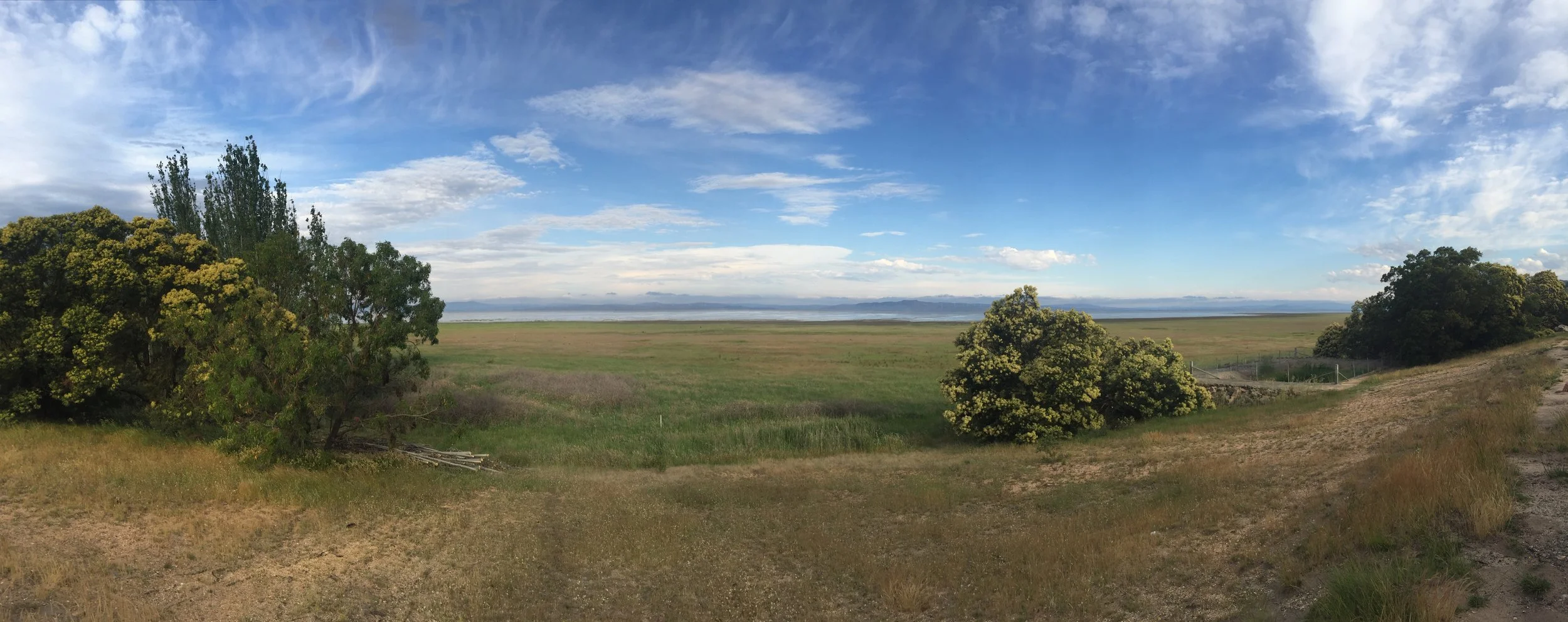
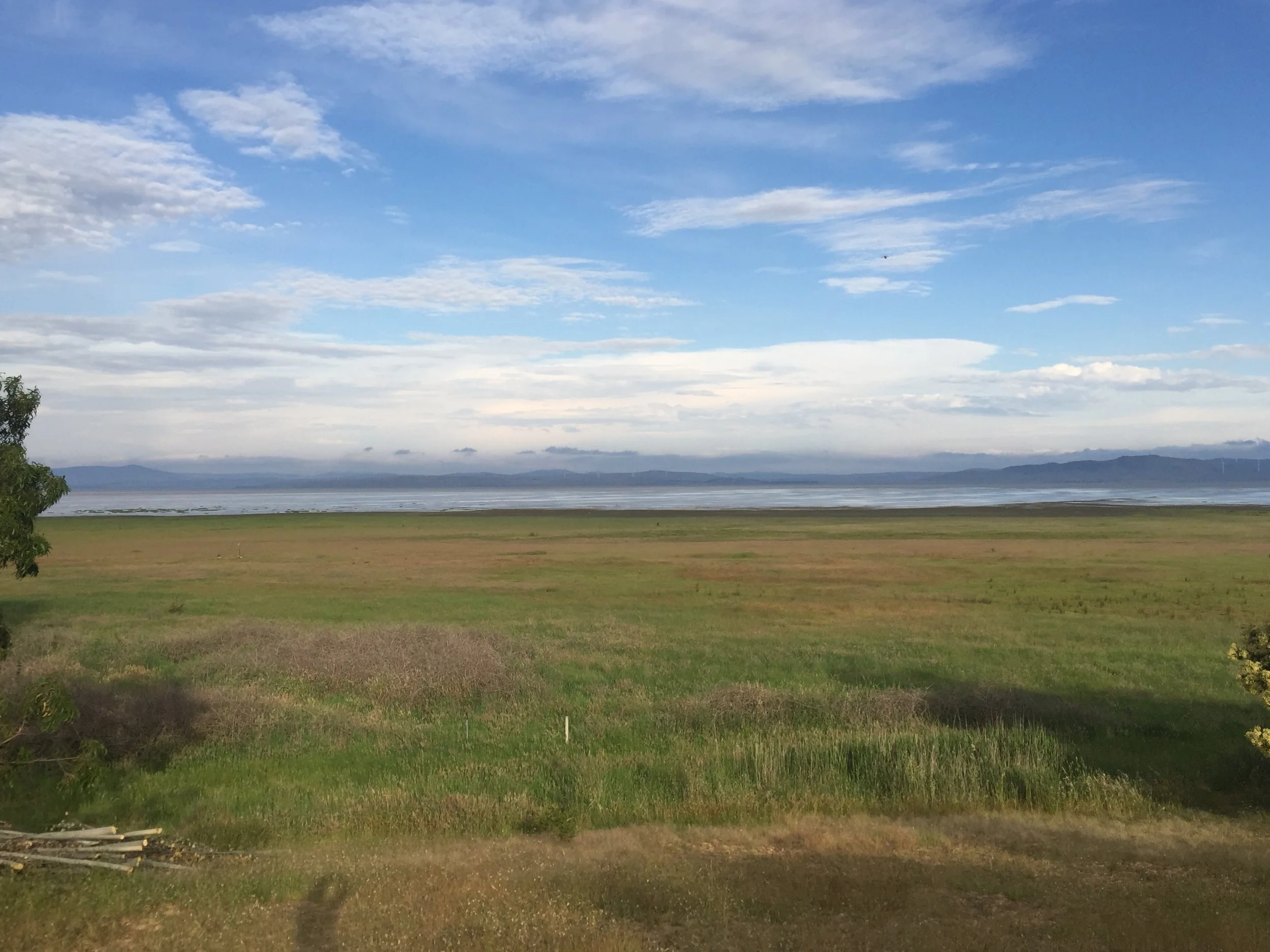
Lake George, named by Lachlan Macquarie after the mad king, has been known for over 6000 years as Weereewa (bad/dirty water) by the Ngunnawal people. It is endorheic (pron. en-do-ree-ikk), meaning it has no outlets to rivers or other bodies of water … instead, it rises and falls with the rains, and this phenomenon has led to some strange tales of underground drains, and the presence of a bunyip lurking in its murky depths. It must be a pretty flexible bunyip - the lake is 4.5 metres at its deepest.
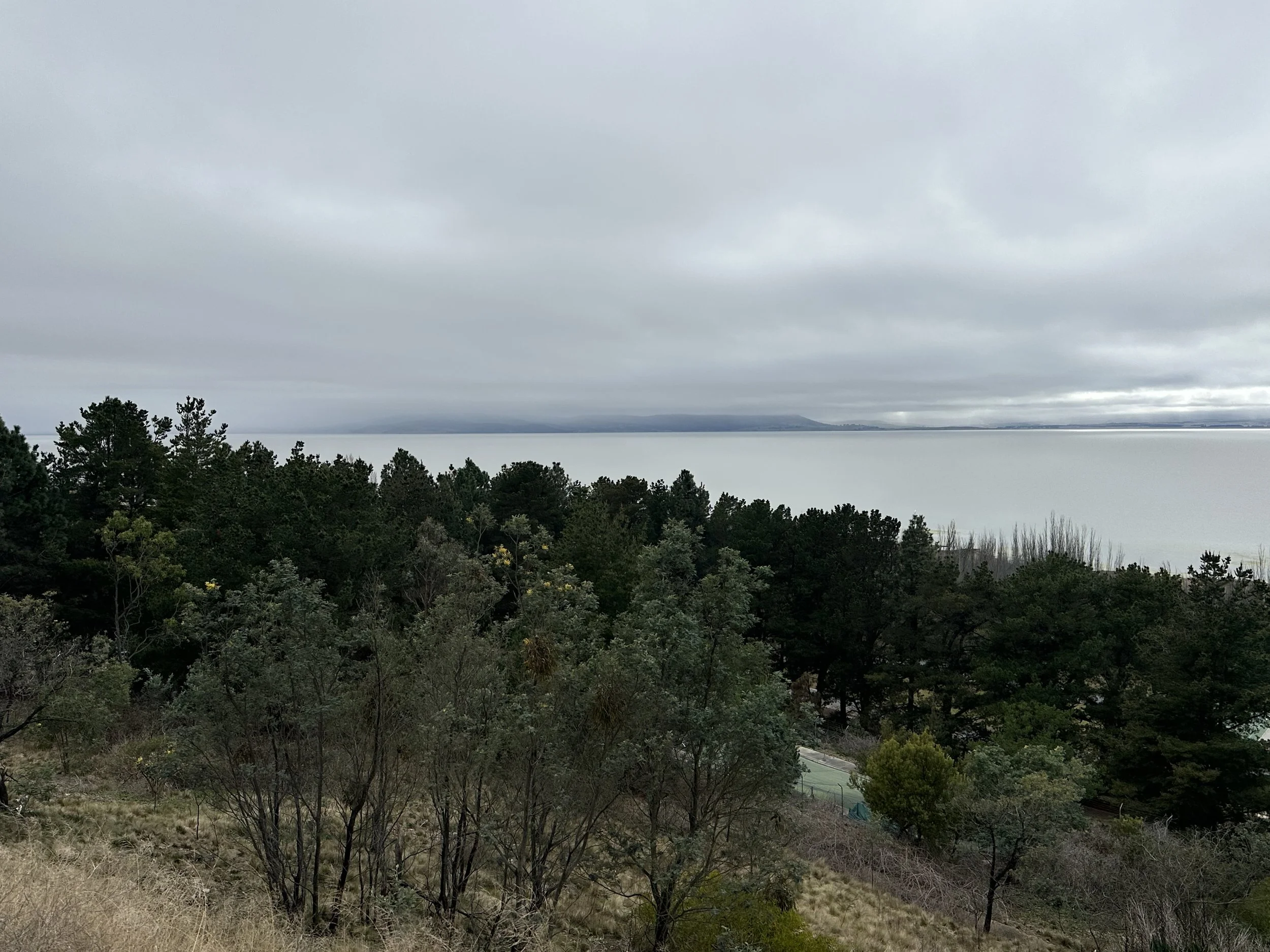
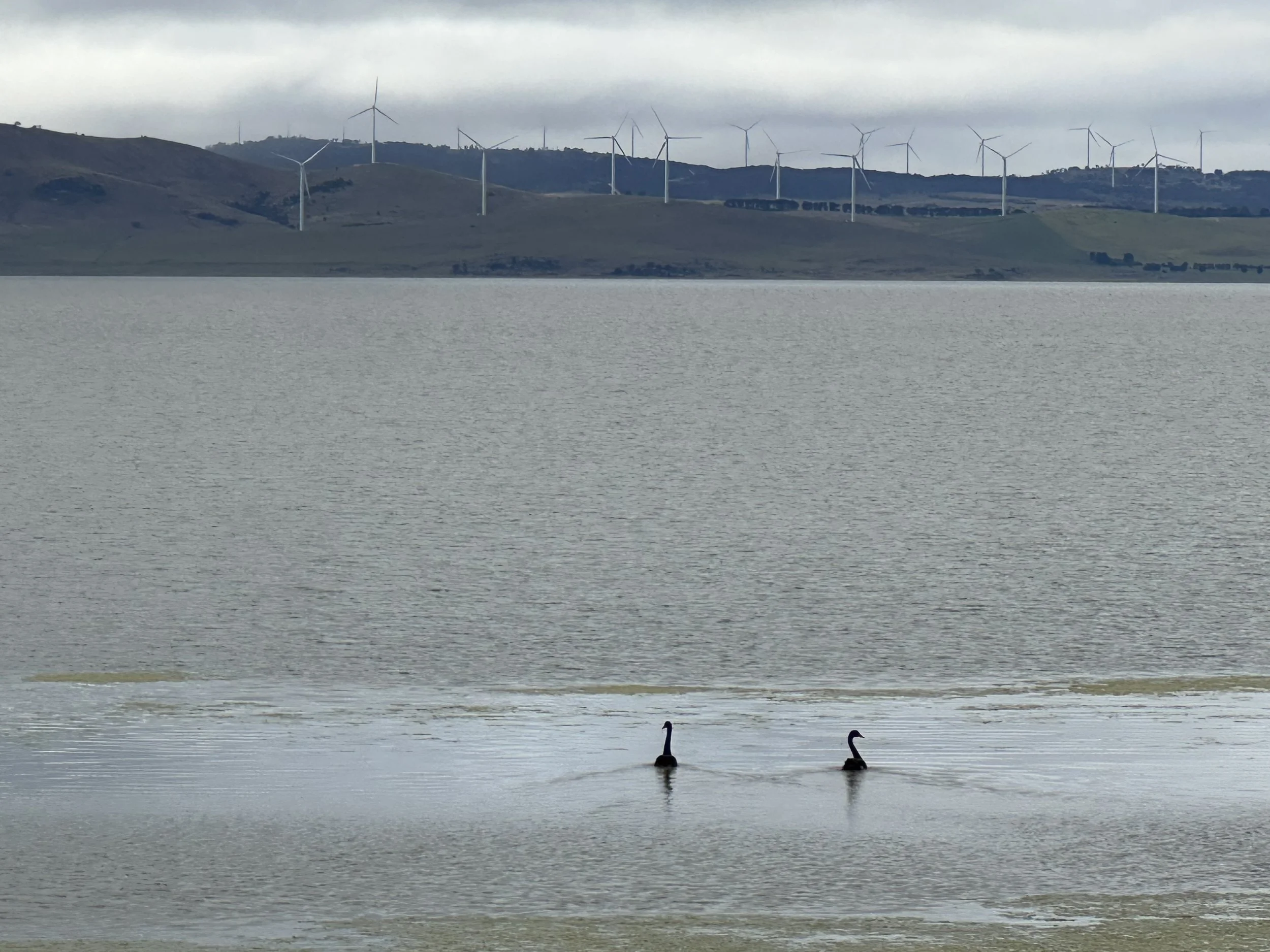
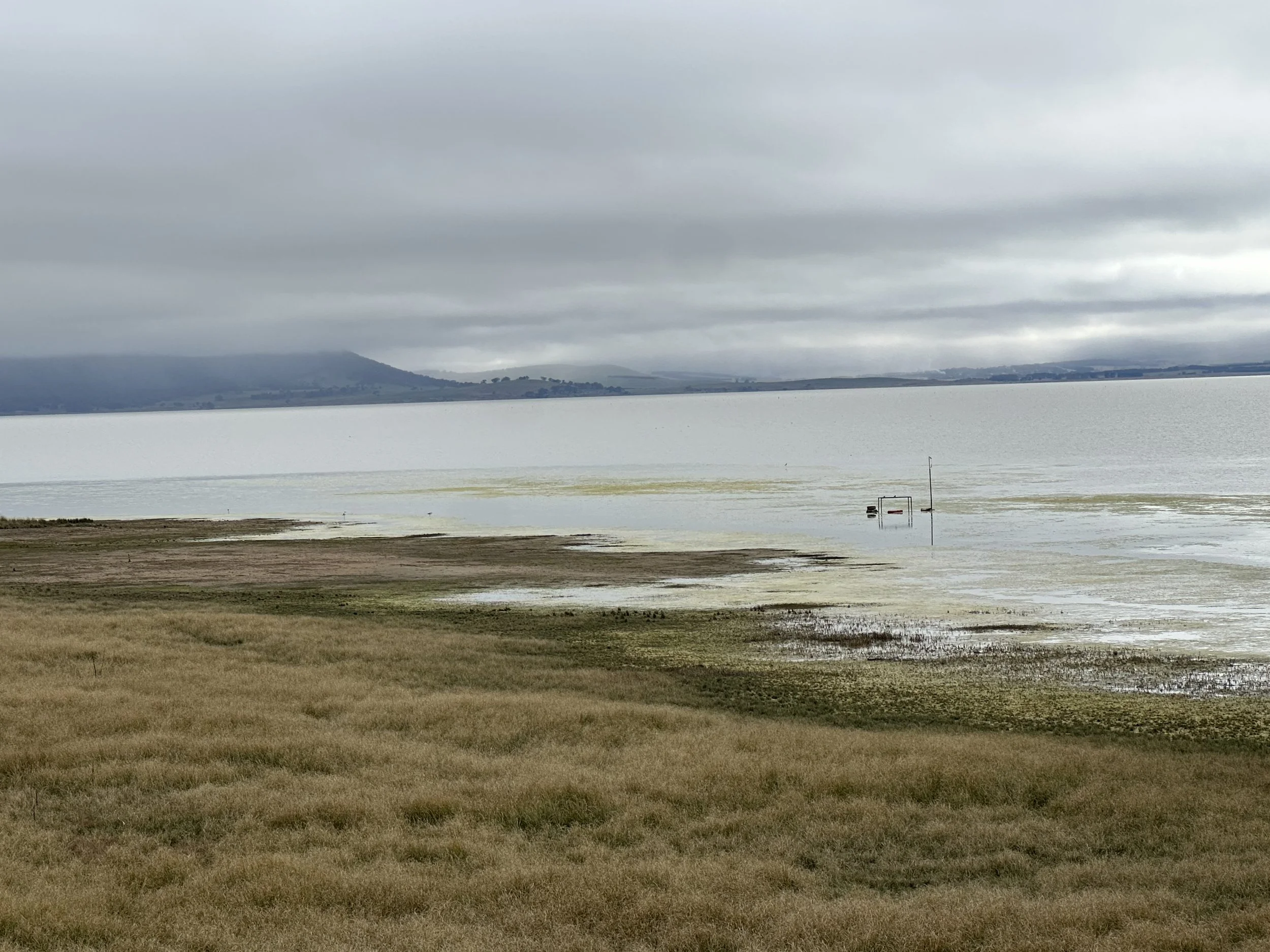
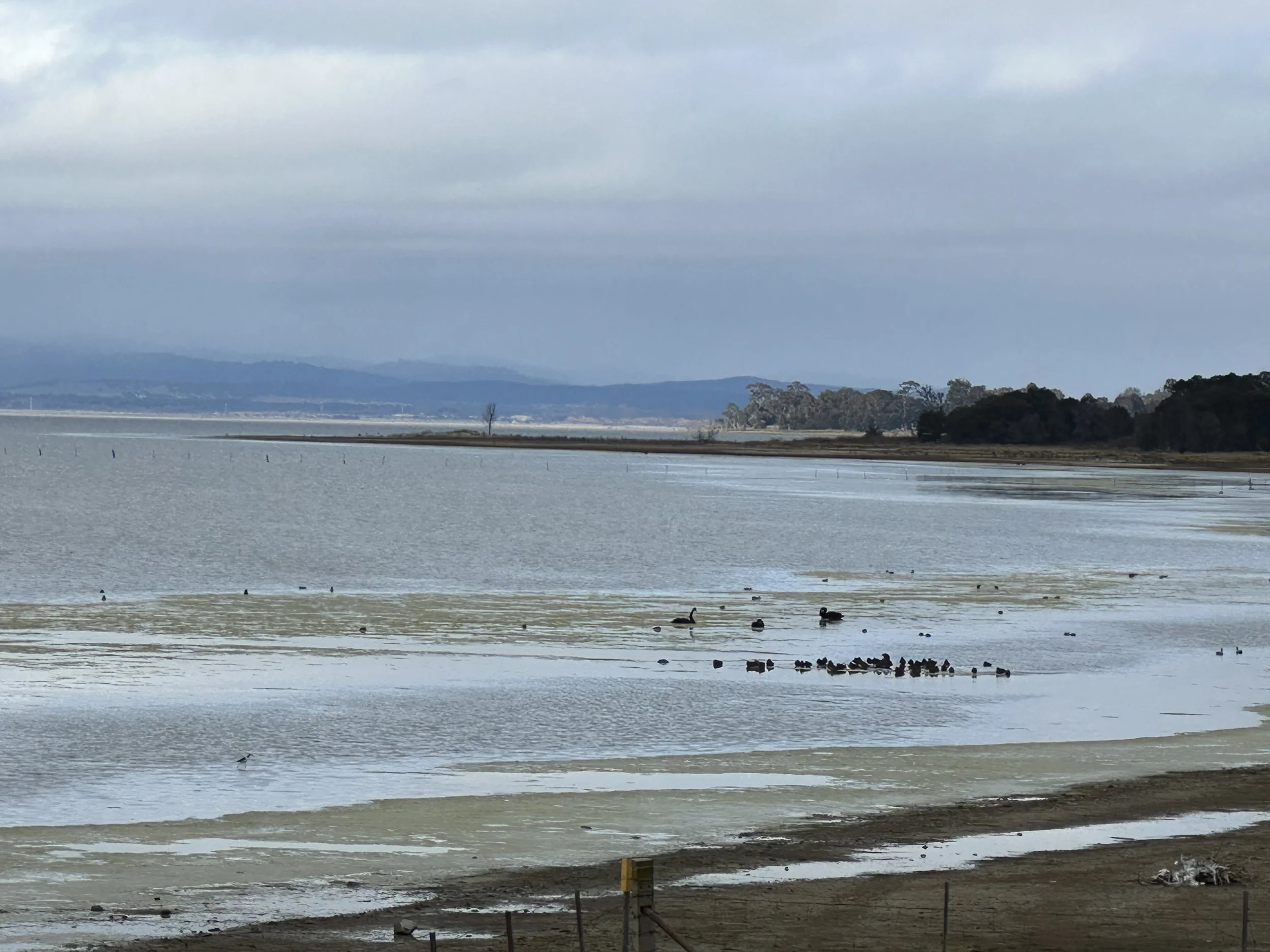
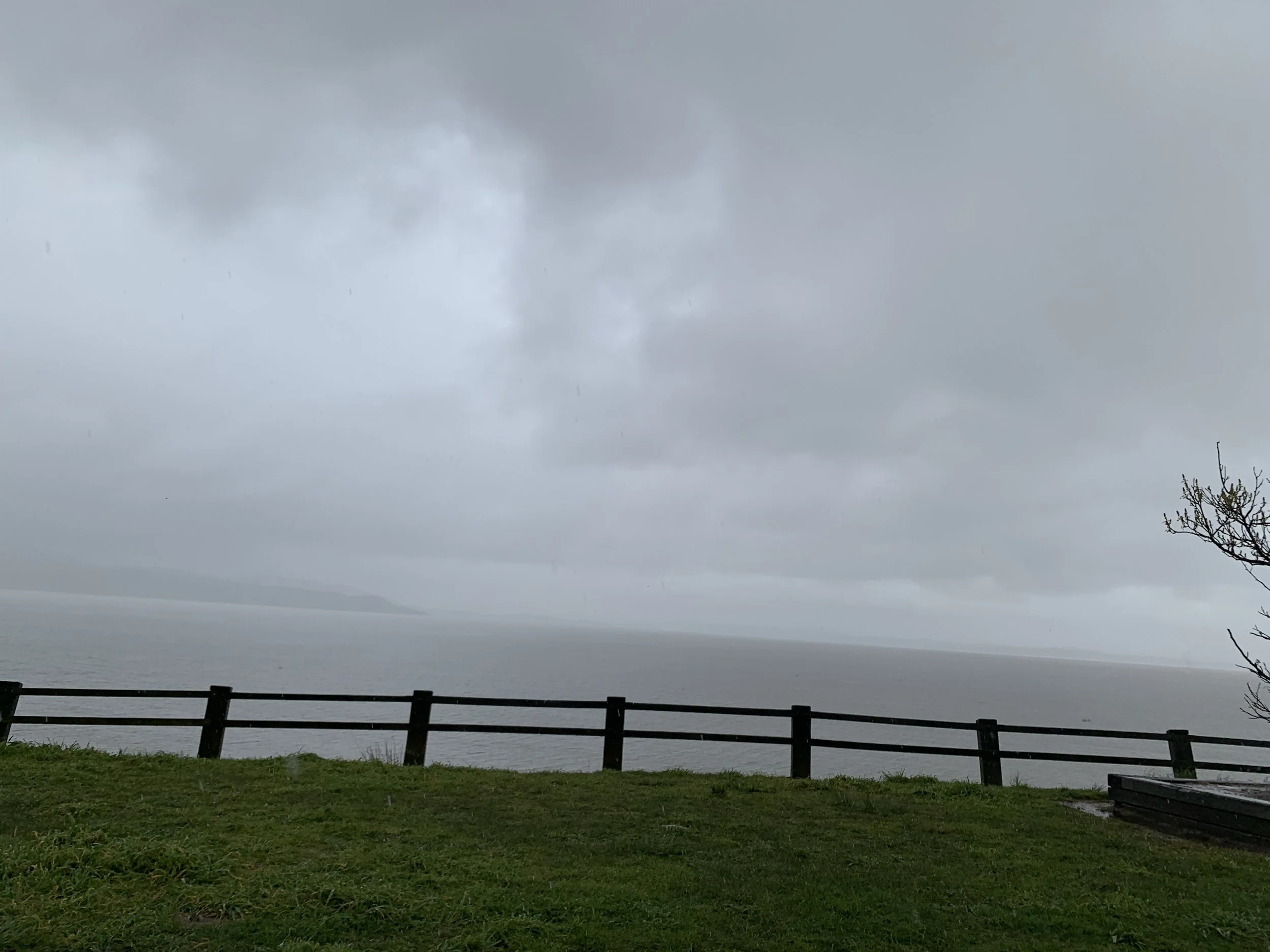
George/Weereewa is a significant landmark for any who have made the drive from Sydney to Canberra. Because it is endorheic, it changes shape and size (you will see by the pictures below). Sometimes it is an enlarged paddock where sheep graze, and you can see the fences emerge and disappear into the water. Other times it is a large, wild, shallow acquatic expanse. Surrounded by wind farms with some very good vineyards dotted here and there, its position on the road always causes me to wonder.
My wondering, wandering thoughts about the lake mingled with a podcast interviewing the actor Matthew Rhys, charming and self-effacing star of Widow’s Bay and many other excellent shows. Rhys is a champion of the Welsh language and culture, and gave an account of the “Welsh Not”, a horrifying practice in the 19th century introduced in schools to replace Welsh language with English. Teachers would hang the piece of wood around the neck of the first child who was heard to speak Welsh, as a punishment. The “not” would be then passed on to any other who would dare speak their mother tongue, until the end of the day, when the last unfortunate child who had obtained the “not” was beaten. What’s worse is that children were encouraged to self-police by passing the “not” onto their classmates, inculcating this attempted linguicide into the dynamics of the playground.
Rhys also spoke about how Welsh people (and, by extension, the Cornish, Irish and Scots) subscribe to the tall poppy syndrome - the phenomenon whereby success is rewarded with mockery, skepticism, social undermining, or all of these. Tall poppy syndrome is a strong feature in Australian culture: I never thought of it as a British import before, but it makes sense that this hangup was transferred to the great southern land.
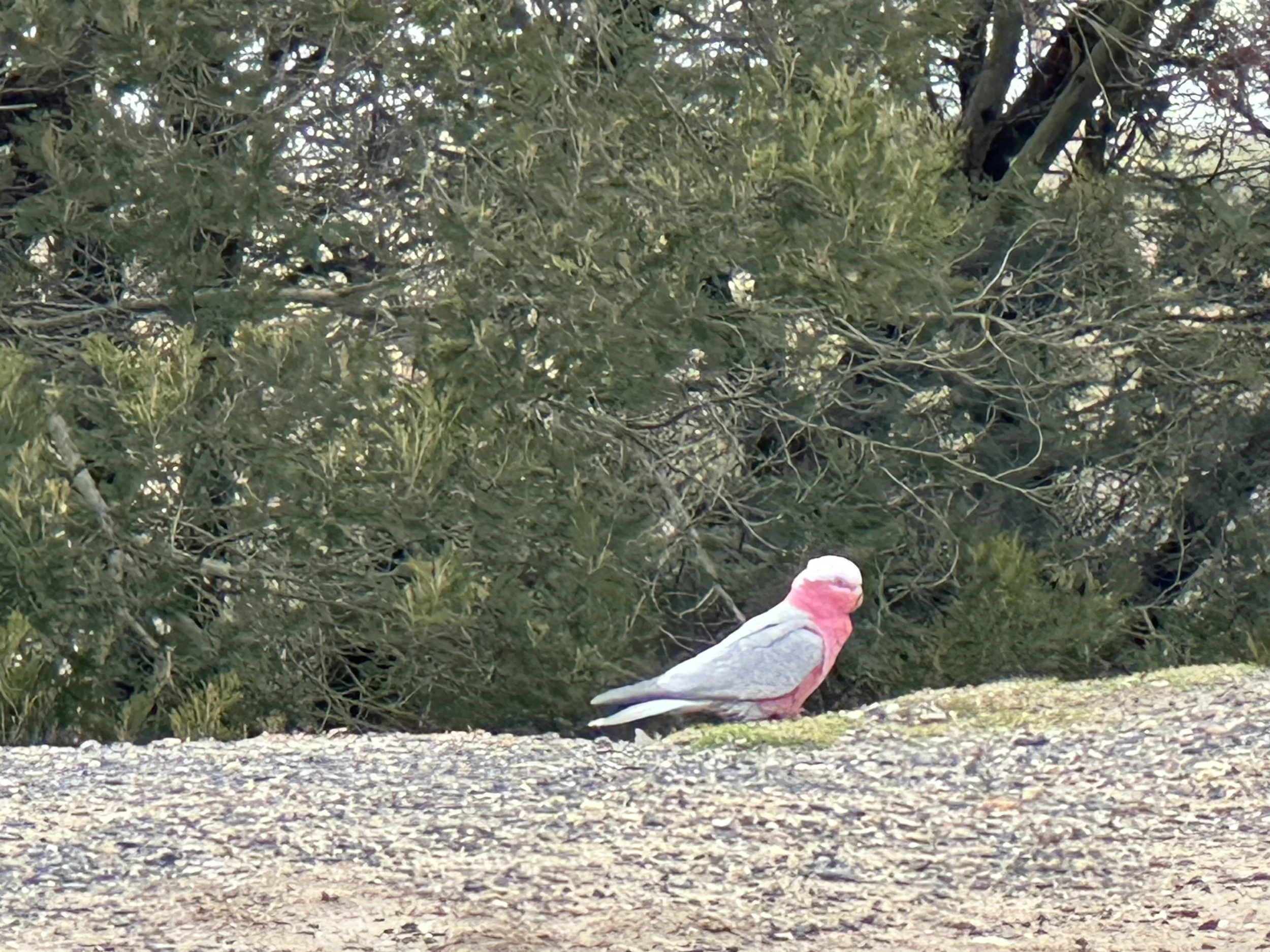
Bad water, dirty water … the vicissitudes of drought and rain … linguistic repression … tall poppies … such a heavy inheritance. Survival and revival are strong themes here, but there’s not much room for softness. At least the birds don’t need to worry - the lake sustains and feeds them, and they can master its unpredictability.